
What real transformation does on the floor.
One solution you own — the network, the devices, and the use cases together — carrying ECHO SLAM safety, push-to-talk, real-time location, and cold-chain IIoT, all feeding a real, working digital twin on one pane of glass. Below is what that solution actually does, grouped by what it changes: how safe the floor is, how reliably everything connects, how much you can see, and how it's managed. The thread through all of it: each capability gets stronger because it's part of one solution instead of standing alone.
Stop the incident before it happens.
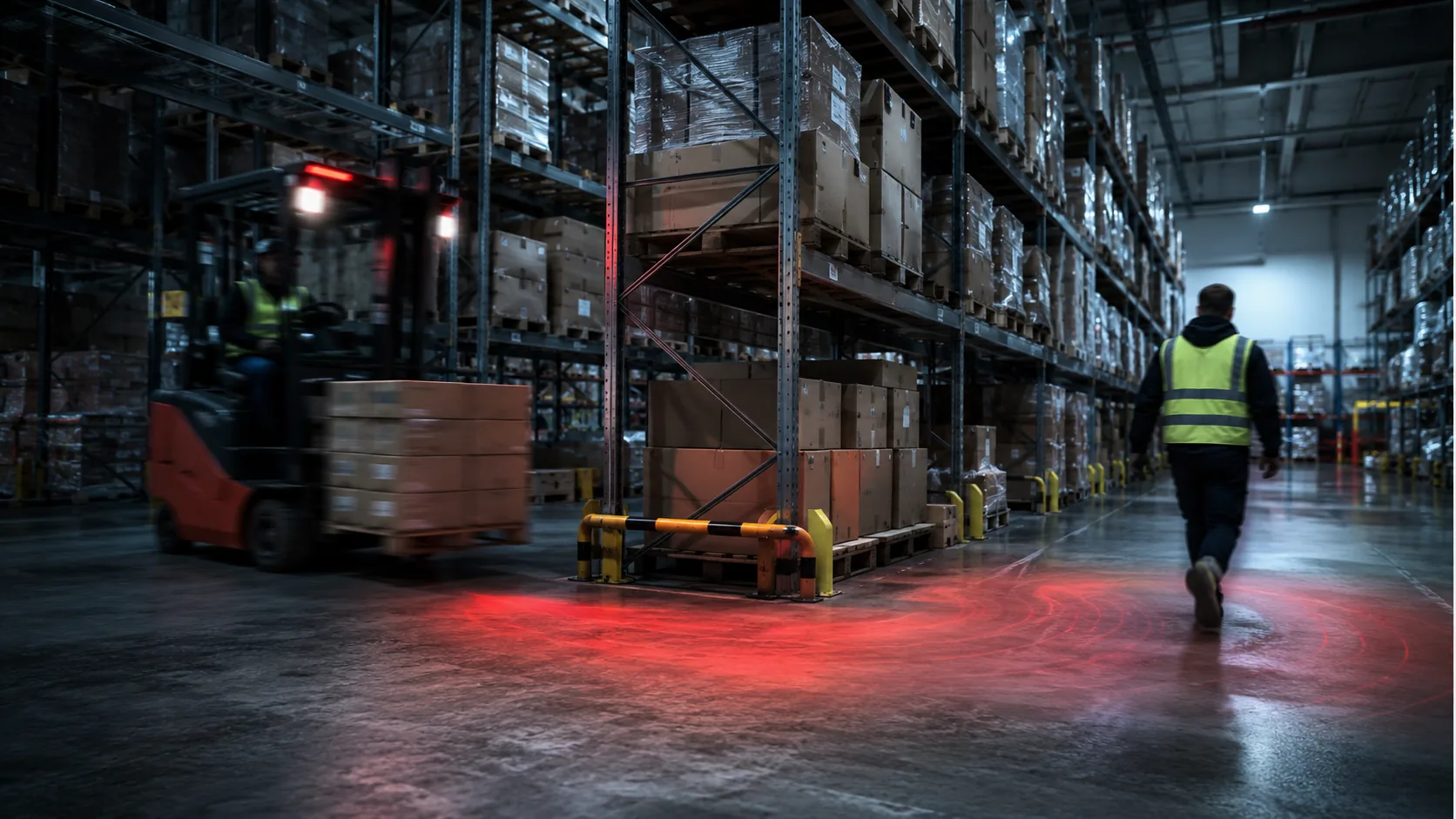
Forklift–pedestrian collision avoidance
The core capability. 360° UWB and radar detection around each truck warns the driver and the worker as they approach each other — a soft warning at distance, a hard alarm up close. Most forklift–pedestrian incidents happen in the last few feet; this is built to act before then.
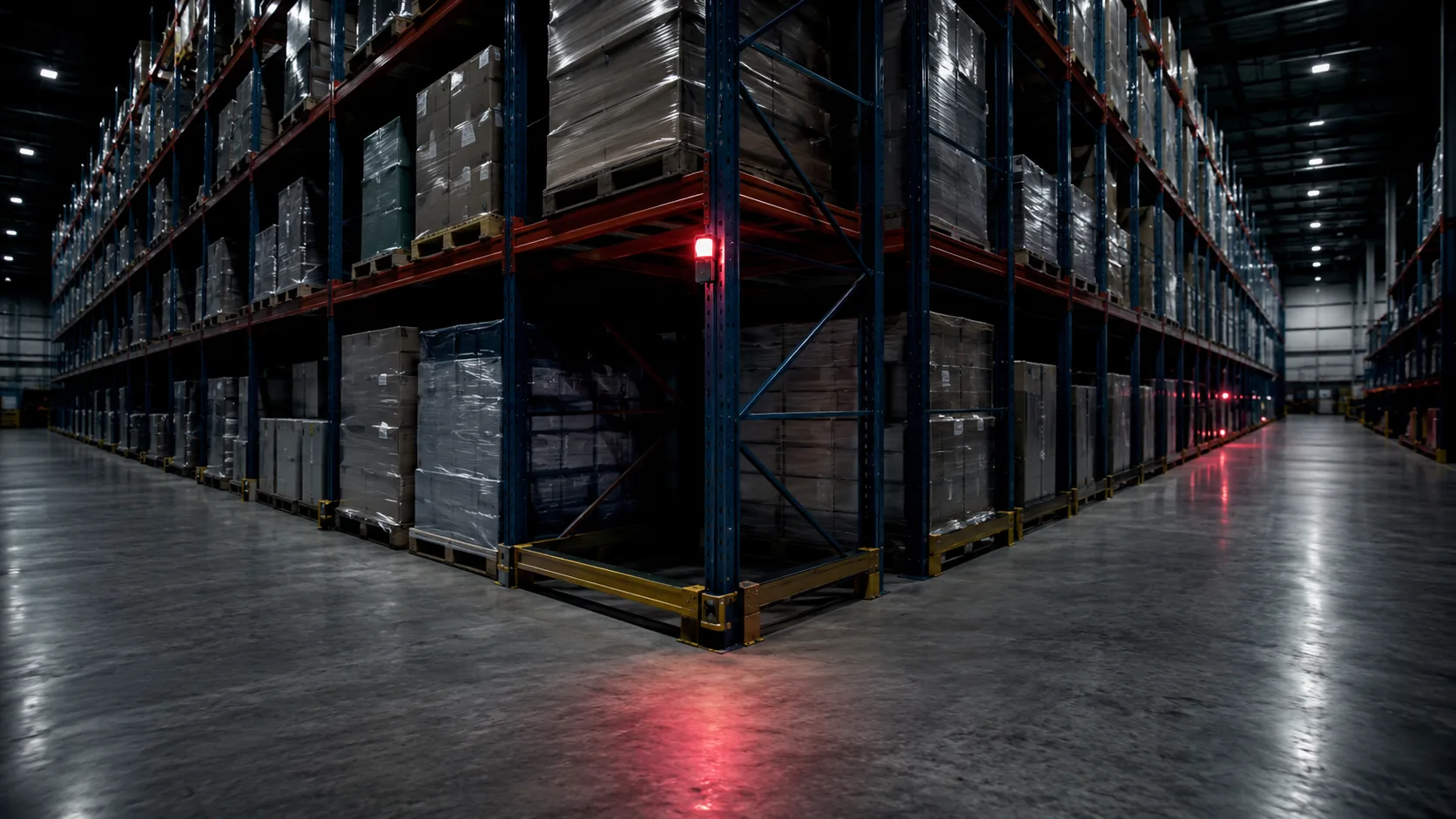
Blind corners & intersections
Fixed zone beacons at blind corners, aisle ends, and cross-traffic intersections automatically tighten alert thresholds in those spots — so the system reacts sooner exactly where line-of-sight fails and cameras can't see around the rack.
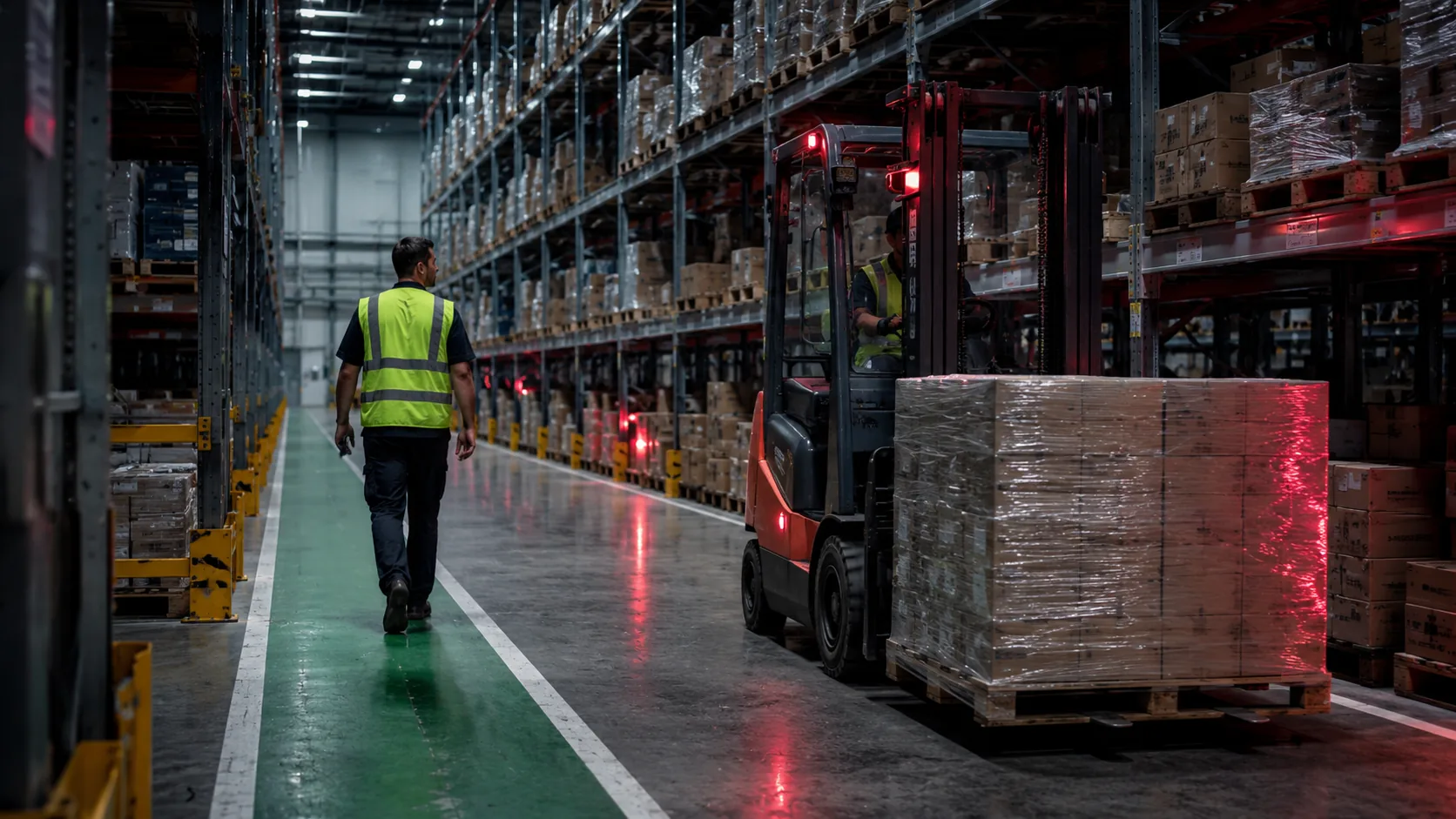
Pedestrian walkways & pick zones
Areas where people and trucks share space — marked walkways, dense pick faces, packing lines — can run a stricter safety profile. The system knows which zone a vehicle is in and adapts, instead of nagging everywhere or staying silent where it matters.
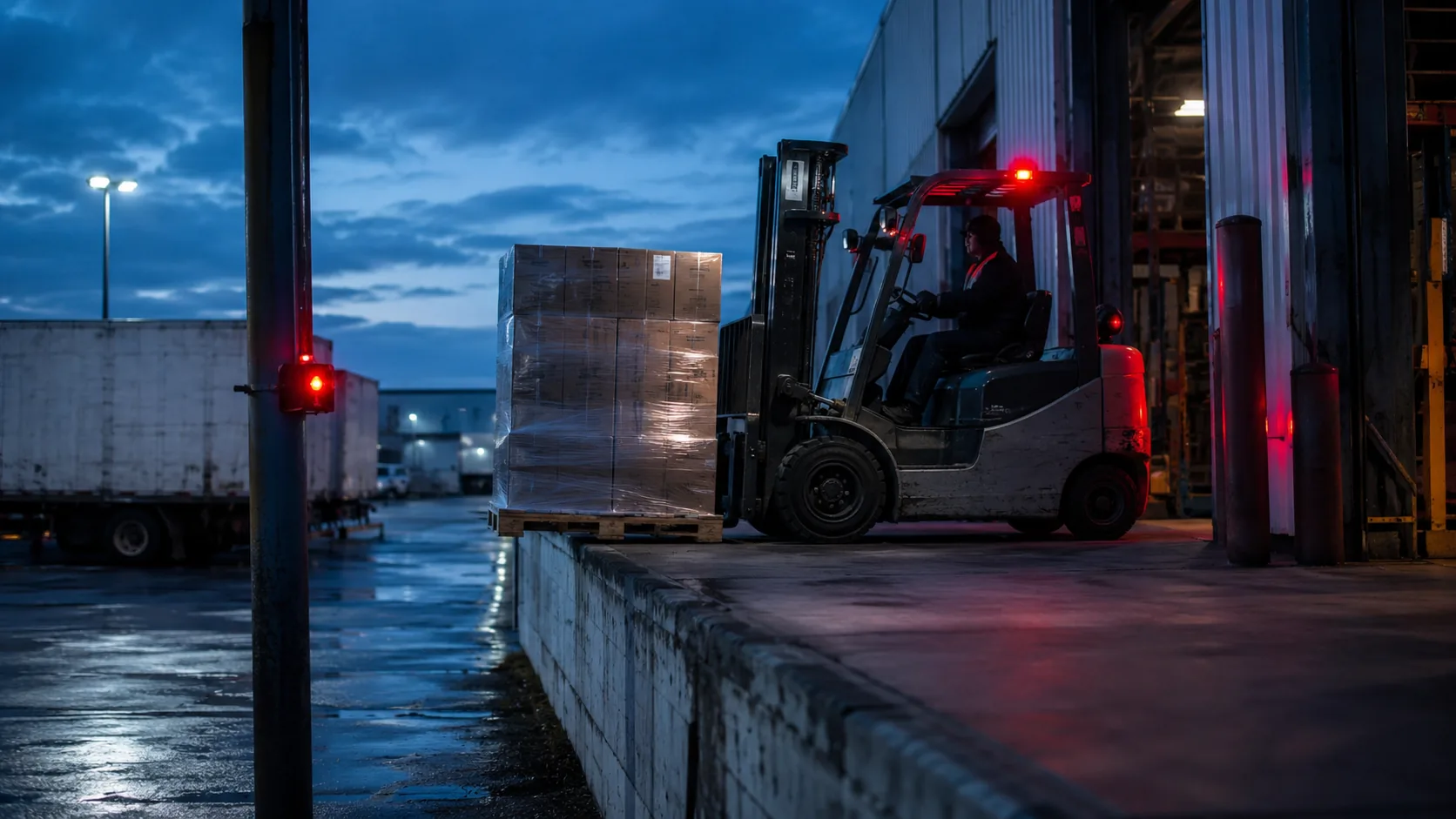
Dock & yard edge safety
Loading docks, ramps, and the trailer yard are some of the highest-risk ground in the operation — and exactly where Wi-Fi quits. Because the private network reaches outdoors, the same safety coverage continues from the dock door out across the yard.
Coverage and comms you can finally rely on.
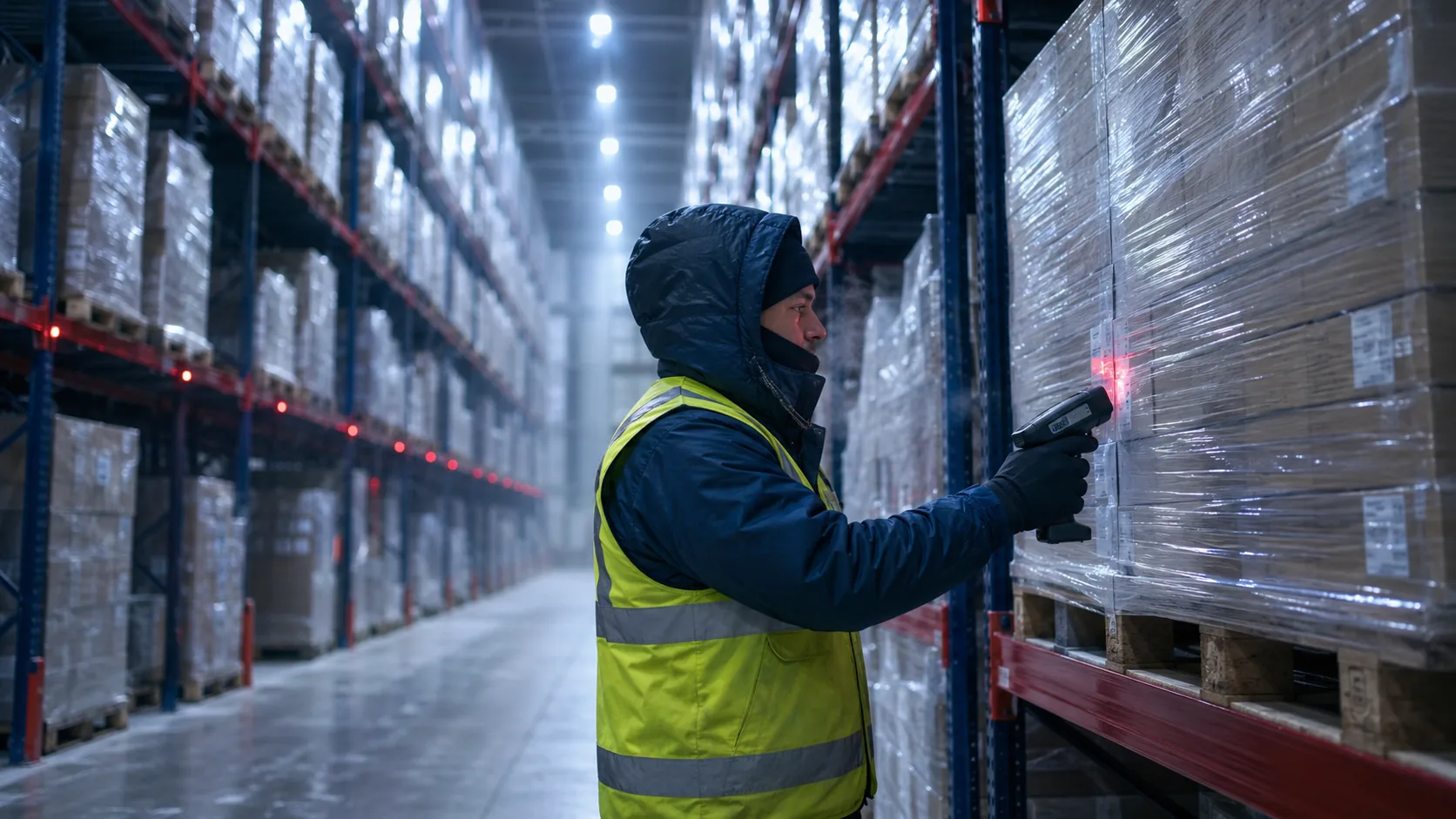
Coverage that doesn't drop
Tall racking, steel, and cold rooms swallow Wi-Fi — that's why scanners drop scans and tablets freeze at the back of the aisle. A private LTE/5G network on CBRS delivers consistent, interference-protected coverage across the whole facility from far fewer radios, so workflows stop breaking where margins are thinnest.

Facility-wide push-to-talk
Instant voice for pickers, dock crews, and supervisors over the private network — replacing patchy two-way radios and dead-zone Wi-Fi calling. Group calling, dispatch, location, and recording on ruggedized handsets or any smartphone, with coverage that holds indoors and out in the yard.
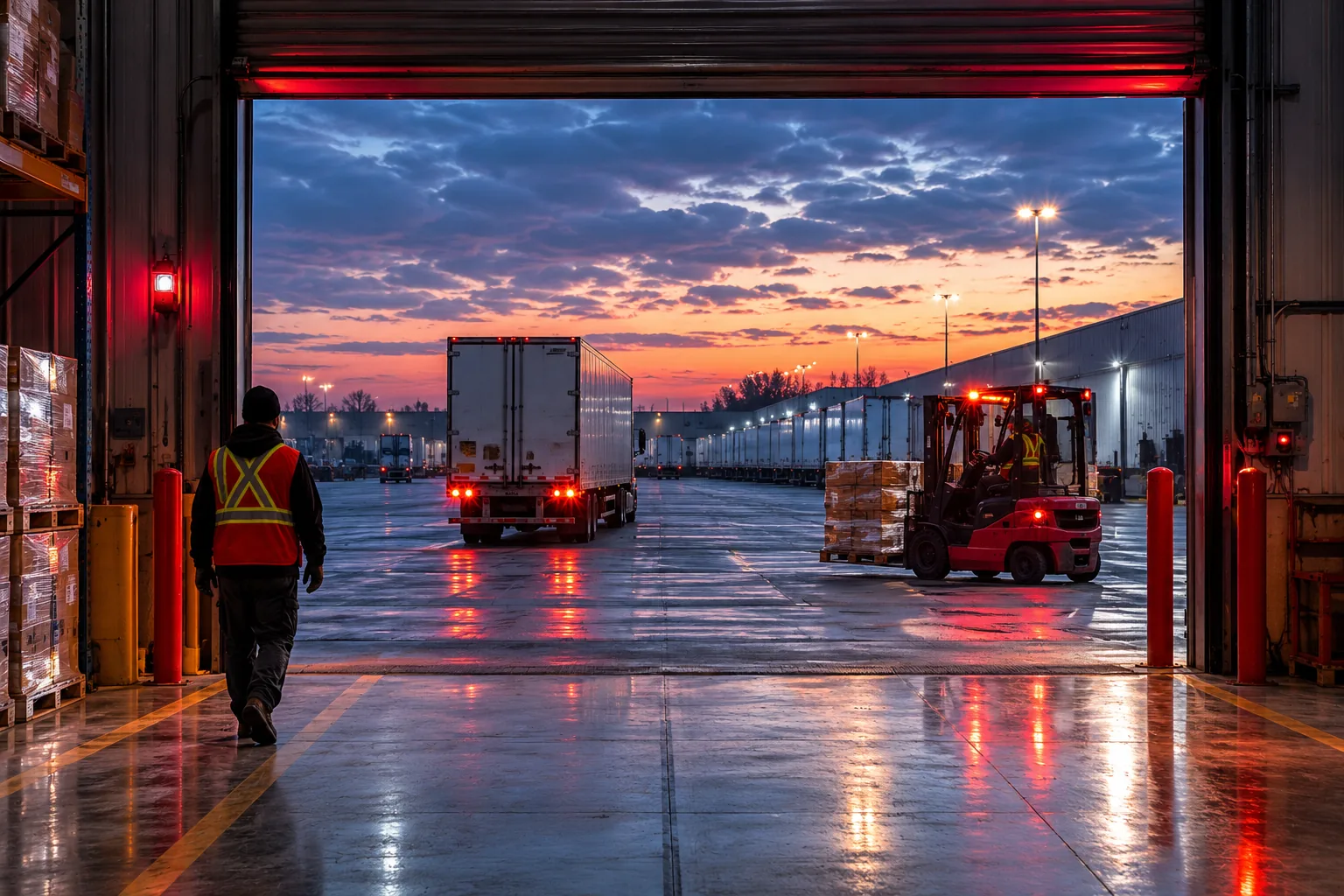
Indoor-to-yard continuity
Assets don't stop at the dock door, and neither should the network. One private network spans the production floor, the warehouse, and the outdoor yard — so a forklift, a handset, or a sensor moving from inside to the trailer lot never drops off the network.
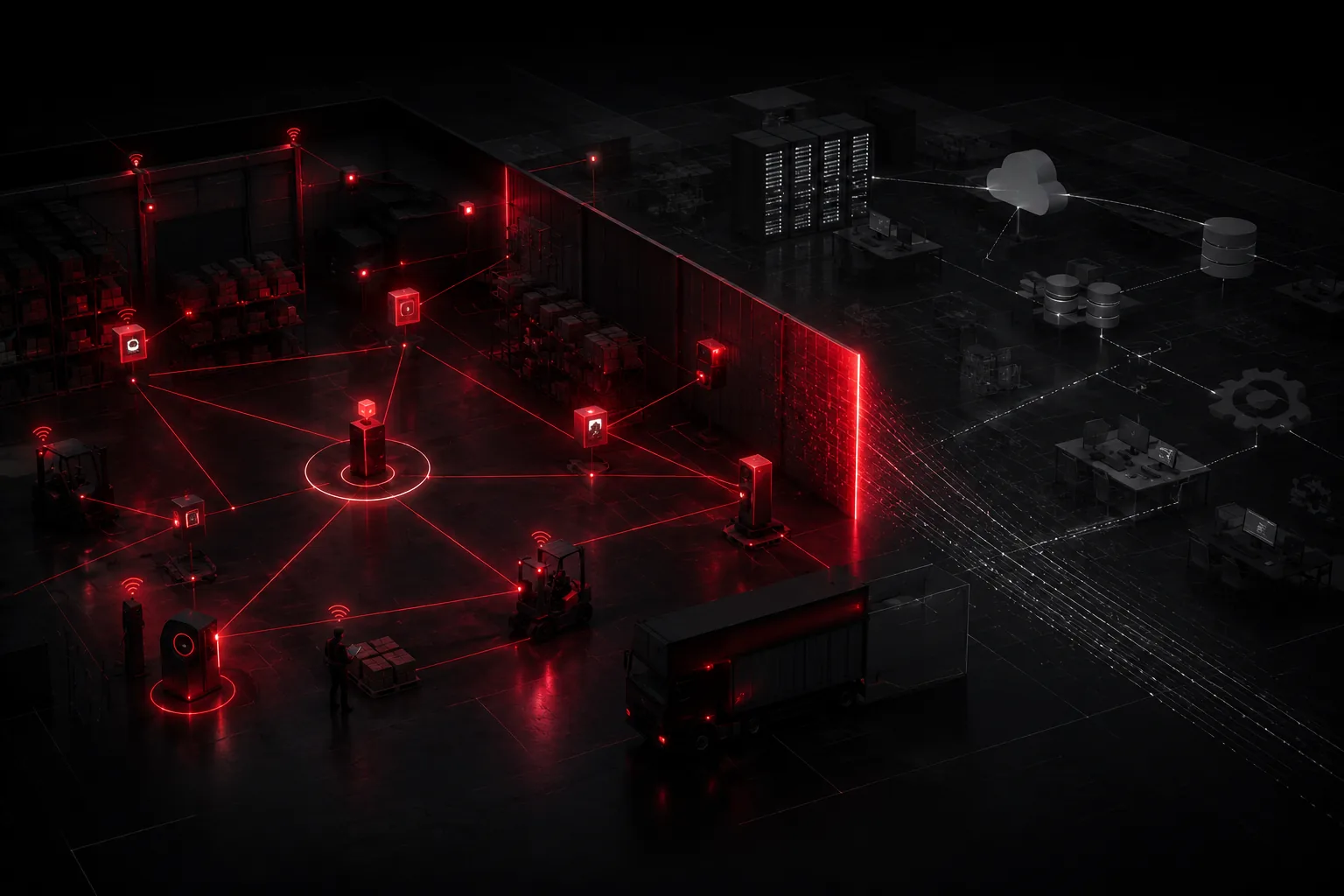
A network segmented from IT
The operational network is air-gapped from corporate IT by design — VLANs, QoS, 802.1X, and role-based access keep safety-critical traffic isolated and prioritized. It simplifies your security posture and gives regulated freight the clean separation it needs.
Once everything's connected, you can see everything.
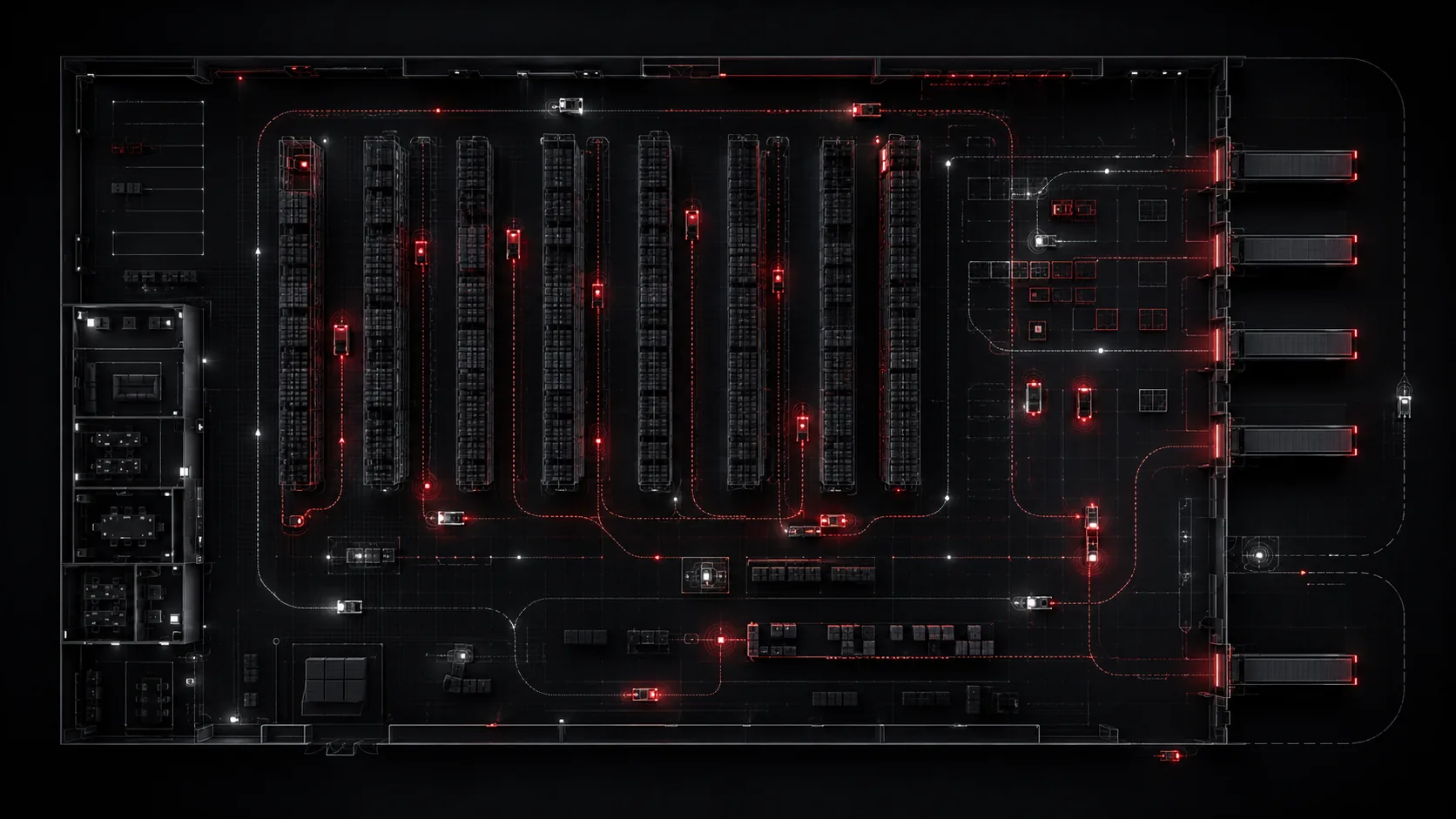
Real-time location of vehicles & assets
The same UWB and network fabric that powers safety locates pallets, forklifts, and high-value assets across the full floor — not just near an access point. Geofencing, dwell time, and utilization analytics turn "send someone to find it" into a glance at a map.
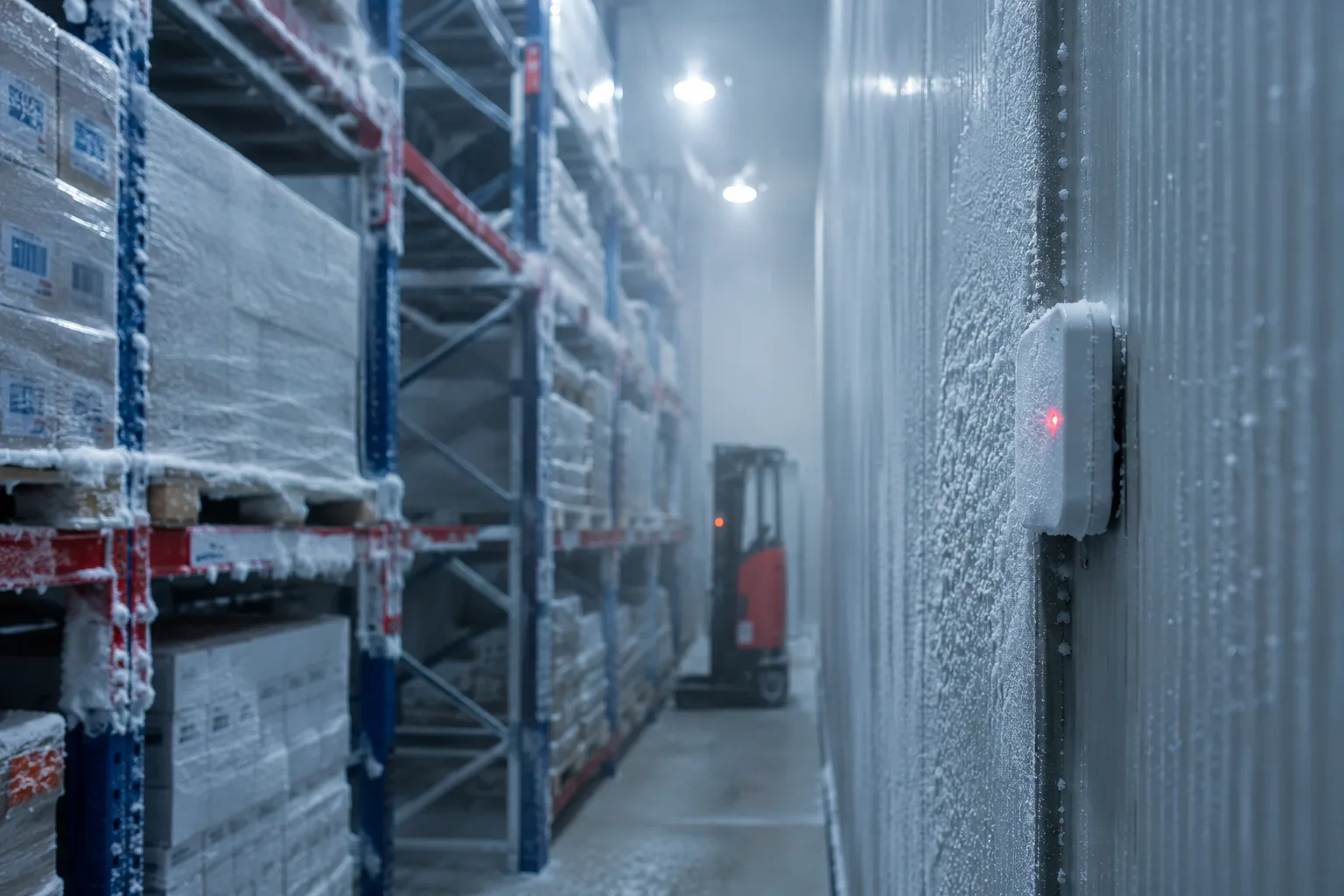
Cold-chain & environmental monitoring
Continuous temperature, humidity, and door/condition monitoring across ambient, refrigerated, and frozen zones — riding the private network with no extra cabling. Threshold alerts catch excursions before they become losses, and continuous logging produces audit-ready records for GDP, GMP, and 21 CFR Part 11.
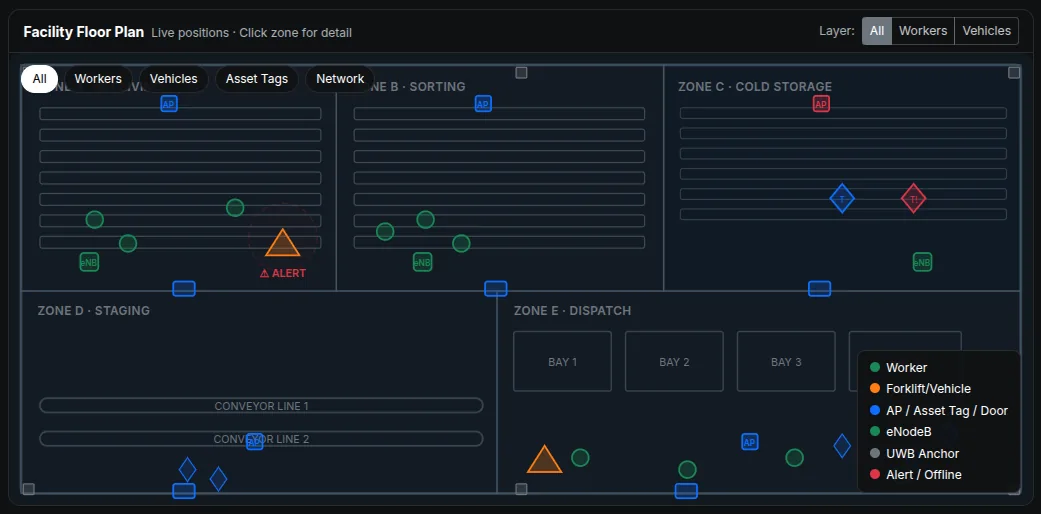
Near-miss analytics & safety reporting
Every proximity event is logged centrally. Heatmaps show where incidents cluster, trends show whether changes are working, and reports give EHS teams, insurers, and auditors something concrete. Safety becomes measurable instead of anecdotal.
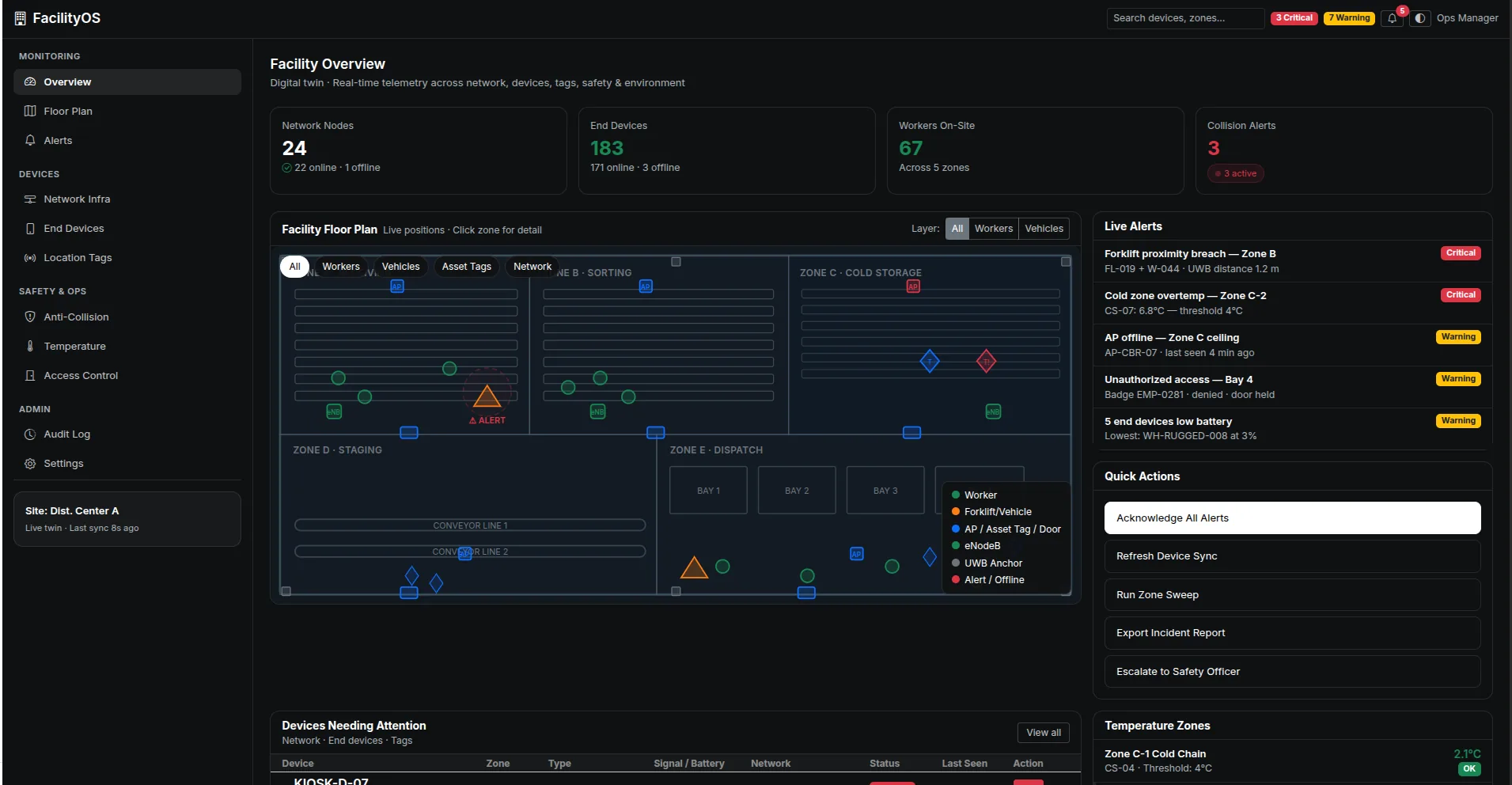
One dashboard, zone-based policy
A unified dashboard correlates safety, location, and conditions into one operational picture — and because the system knows which zone a vehicle is in, it becomes the foundation for policy: slower speeds in congested areas, alerts on restricted-zone entry, and a backbone ready for the next layer of automation.
Everything on the network, fully managed.
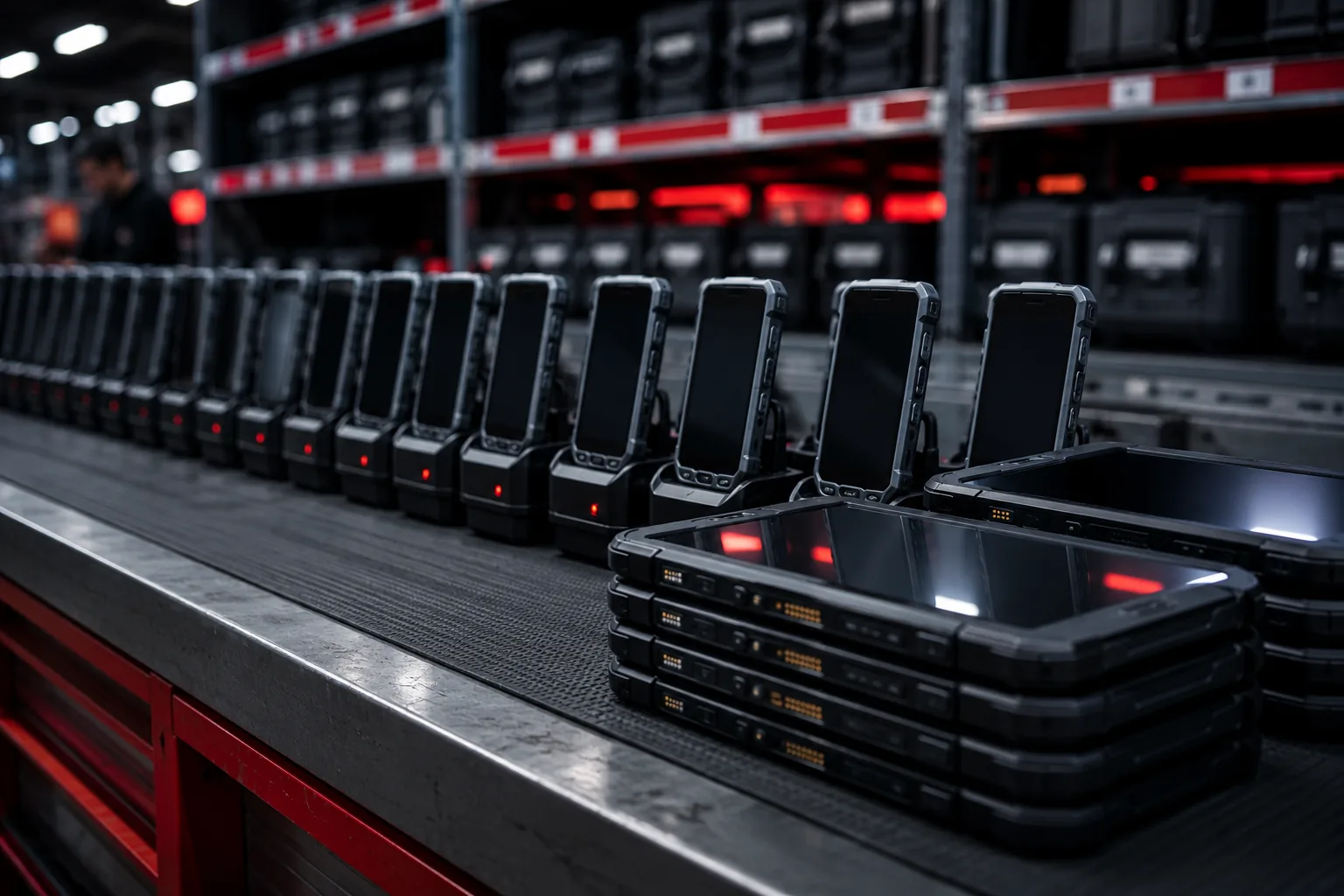
Managed rugged devices & scanners
We source, configure, and manage the handhelds, tablets, and wearables your floor runs on — security baselines, app loadouts, and zero-touch enrollment through mobile device management, with Microsoft Intune integration where your environment calls for it.
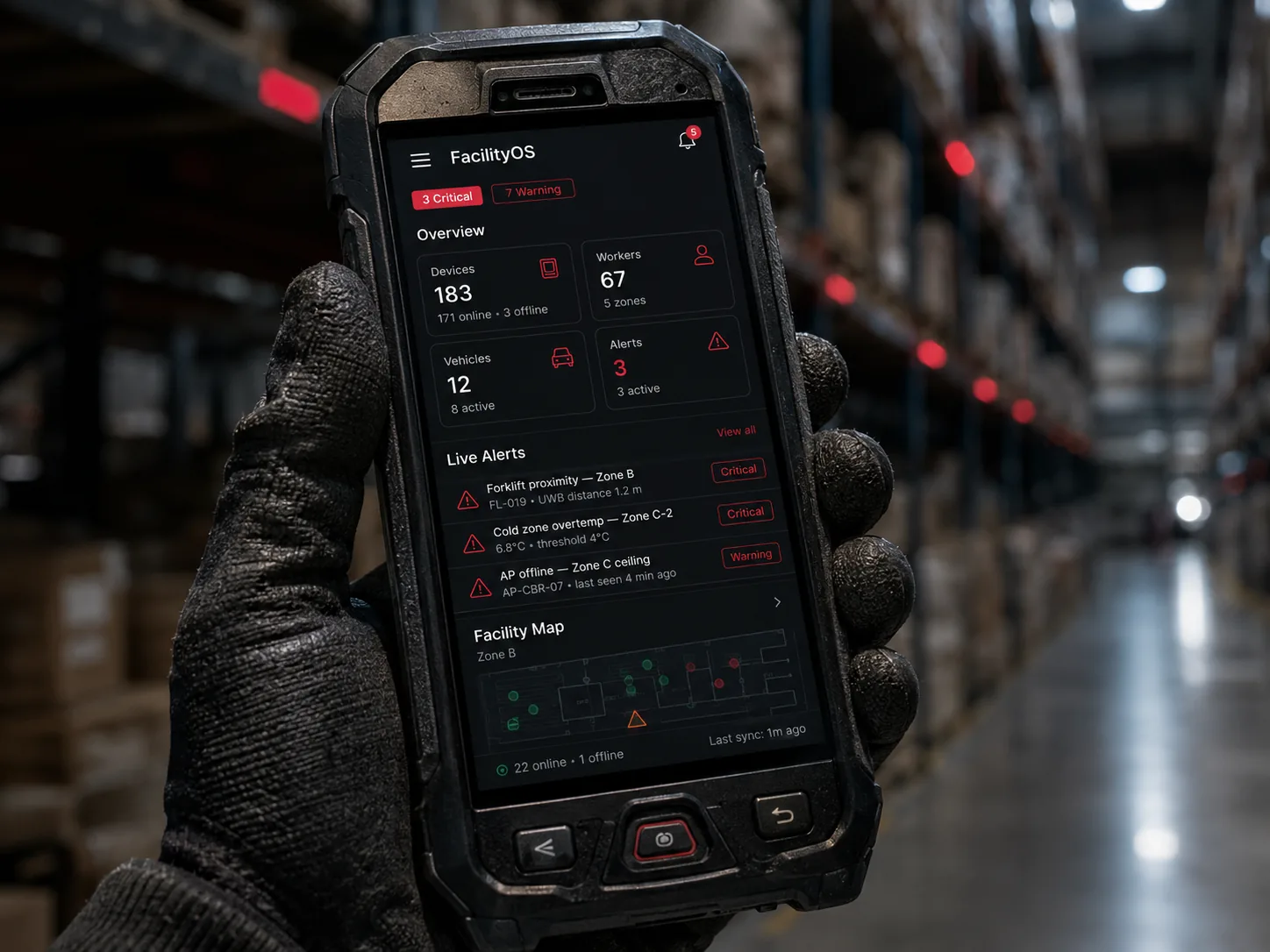
Custom applications for the floor
Purpose-built apps for picking, inspections, driver workflows, and telemetry capture — built to run on the devices and the private network we deploy, instead of forcing your operation into off-the-shelf software.
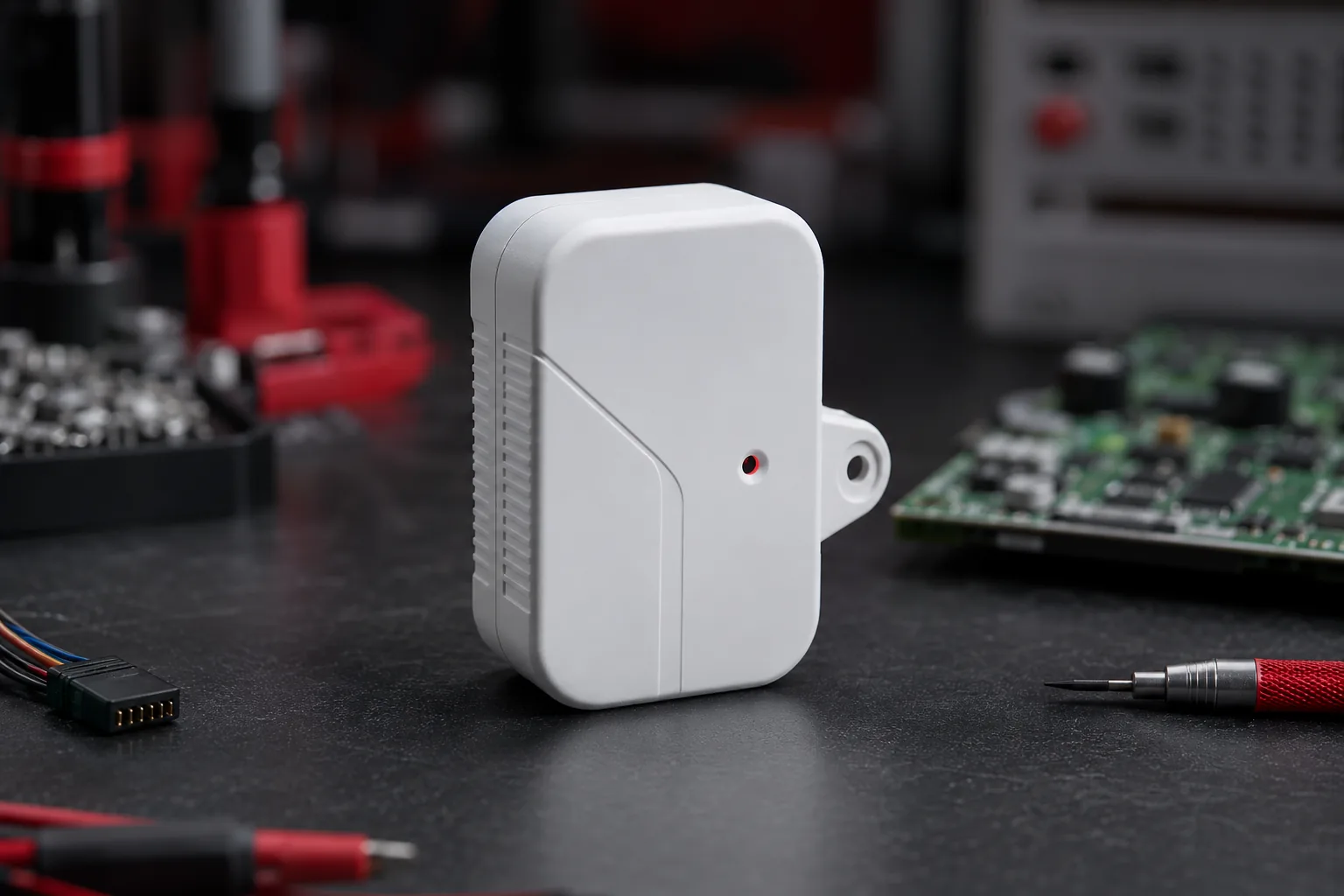
Custom IoT devices for your use case
When off-the-shelf sensors don't fit, we design custom IoT hardware around the actual job — from use case through build — and put it on the same managed, secure network as everything else.
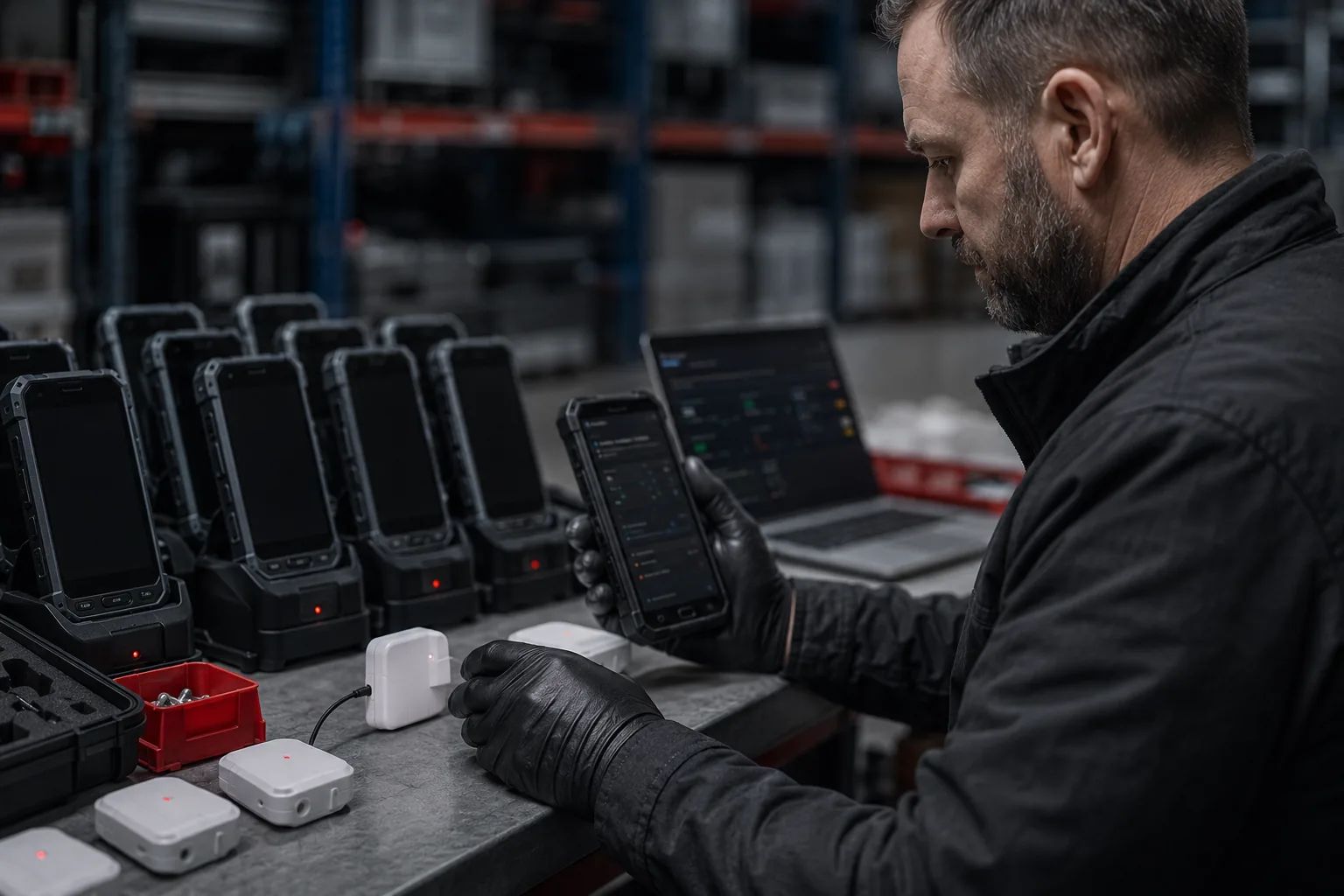
Deployment & lifecycle support
Staged rollout so gear arrives ready to work, then ongoing monitoring, updates, troubleshooting, and replacement through end of life — for managed devices and IoT alike. One partner accountable for the whole cycle.
No use cases match.
Try a different term or clear the search.
Curious how this maps to your facility?
Every site is different — the racking, the traffic, the cold rooms, the yard, the compliance burden. The best next step is a short conversation about yours. No pitch, just a working discussion of what a transformed, connected operation would look like on your floor.